Britain has a new PM - How might Andy Burnhams policies affect the property market ?

Andy Burnham walked into Downing Street on 20 July 2026 as the UK's seventh Prime Minister in a decade, succeeding Sir Keir Starmer after his resignation in June. For most industries, a mid-cycle change of leader is a Westminster story. For the property sector, it isn't — because unlike most incoming Prime Ministers, Burnham arrives with a long, well-documented track record on housing, and almost all of it was built in the North.
Here's our take on what it might mean for landlords, investors and homeowners across Yorkshire and the North West.
First, the obvious caveat
Nothing has changed yet. Not a single rule affecting your tenancies, your compliance obligations or your tax position has moved. Burnham's first substantive policy announcement focused on household energy bills rather than anything landlord-specific, and everything else discussed below is either a manifesto-level ambition, a think-tank proposal being examined, or a pattern extrapolated from his time as Mayor of Greater Manchester.
Any of it would need consultation, legislation and parliamentary time before it touched your portfolio. What follows is direction of travel, not a compliance deadline.
The Renters' Rights Act is safe — and that's the point
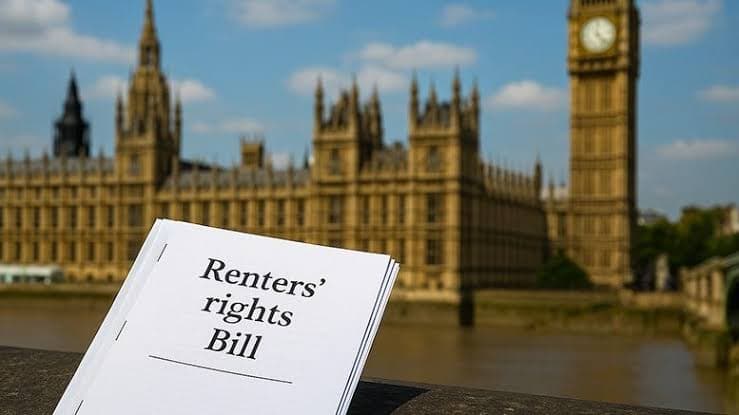
The single most useful signal so far is who didn't change. Angela Rayner's return to the housing brief, alongside continuity elsewhere in the housing team, strongly suggests the Renters' Rights Act framework that came into force this May will be implemented and enforced rather than reopened.
If you've spent the last twelve months getting your business ready — periodic tenancies, the once-a-year rent review restriction, the new information sheet replacing How to Rent, Ground 1A, the deposit and registration requirements — that work holds. Nobody is going to rewrite it underneath you.
What may change is the intensity of enforcement. Which brings us to the more interesting question.
What Greater Manchester tells us
Burnham's housing record as Mayor was built on three pillars, and it's reasonable to expect some version of each to reappear nationally.
Standards above the legal minimum. The Good Landlord Charter, launched in 2024, was voluntary — but it asked participating landlords to clear a bar well above statutory compliance, including EPC C, transparent rent reviews and inclusive lettings practices. Notably, it paired that with funding incentives for energy efficiency work rather than pure stick.
Enforcement resourcing. He funded tenant-side legal support to challenge unlawful evictions, unreasonable increases and poor conditions, with a reported sharp rise in penalties against repeat offenders. The lesson for landlords isn't that the rules got harder — it's that the existing rules started being applied.
Licensing. Selective licensing expanded significantly across Greater Manchester under his tenure. Bradford, Leeds and much of the North West already have licensing schemes in place or under consultation; expect that trend to accelerate rather than reverse.
For a professionally managed portfolio, none of this is threatening. If your properties are compliant, your paperwork is in order and your maintenance is responsive, a higher-enforcement environment is genuinely good news — it squeezes the operators who undercut you by cutting corners.
Rent controls: the question everyone's asking
Campaign groups have been vocal, and research from bodies like the New Economics Foundation has been pushed hard in support. Burnham has spoken sympathetically about renters' cost pressures for years.
But both recent Conservative and Labour governments have argued against rent controls on the grounds that they suppress investment and drive down stock quality — and introducing them would mark a genuine break from settled Westminster policy, not a continuation of it. There is no proposal on the table. Treat this as a tail risk to monitor, not a planning assumption.
The bigger story: property tax reform
This is where the real money is, and where it gets genuinely interesting for northern investors.
Burnham has described council tax as regressive and has spoken favourably about land value taxation. His team has reportedly been examining proposals from the campaign group Fairer Share that would scrap both council tax and stamp duty and replace them with an annual levy — around 0.48% of property value, with a doubled rate on second homes, empty properties and overseas-owned homes.
Run the numbers regionally and the picture is stark. Under those figures, a typical Newcastle home would face roughly £860 a year and a Manchester home around £1,300, against nearly £2,700 in London. Northern England, broadly, pays less. London and the South East pay considerably more.
For a Bradford, Leeds or Nelson-based investor, that's a structurally favourable shift — lower ongoing tax on the asset, and the removal of stamp duty as a barrier to transacting. The obvious counterweight: a doubled rate on second homes and empties would fall directly on portfolio landlords, and would need modelling carefully before anyone celebrates.
Critics have been quick to point out the problems. Knight Frank's Tom Bill has warned that regular revaluations would effectively convert house price growth into an ongoing tax liability, and others have flagged the risk to asset-rich, cash-poor homeowners. Reform of this scale has been attempted and abandoned by governments for thirty years.
Supply, regeneration and where the opportunity sits
Burnham has committed to the largest council housebuilding programme since the post-war period, with figures around £40bn discussed, alongside a pledge to end rough sleeping that includes acquiring suitable homes. He has also framed his agenda around devolution and regional renewal.
For investors, the read-through is about where, not whether. Housing policy tends to work best as part of a wider regeneration strategy — transport links, town centres, public realm — and a Prime Minister whose entire political identity is built on northern devolution is likely to direct capital accordingly. Bradford, Leeds, Blackburn, Nelson and the wider North West corridor have already been attracting regeneration funding. That flow is unlikely to slow.
Increased social housing supply may soften demand at the lowest end of the private rented market over time. But given the scale of the shortfall, that's a decade-long effect, not a 2027 one.
What to actually do
- Don't restructure anything yet. No policy has changed. Decisions made on speculation are usually expensive.
- Get compliance genuinely watertight. Higher enforcement is the most likely near-term shift, and it's the one you can prepare for today at low cost.
- Look hard at EPC ratings. Every strand of Burnham's housing record points at energy efficiency, and incentive funding has historically accompanied it. Being ahead of that curve is cheaper than being behind it.
- Model your portfolio against a proportional levy. If a 0.96% second-property charge landed, which of your holdings would still work? Worth knowing now.
- Watch the autumn Budget. That's when speculation becomes policy, or doesn't.
The Lettings Club manages property across Yorkshire and the North West. If you'd like to talk through what any of this means for your portfolio, get in touch.
This article is general commentary and does not constitute financial, tax or legal advice. Policy positions described here are proposals or speculation unless stated otherwise.
Share this article
More Articles

Sign up for our newsletter
Subscribe to receive the latest property market information to your inbox, full of market knowledge and tips for your home.
You may unsubscribe at any time. See our Privacy Policy.