The National Landlord Register: What Every Landlord in Yorkshire and the North West Needs to Know
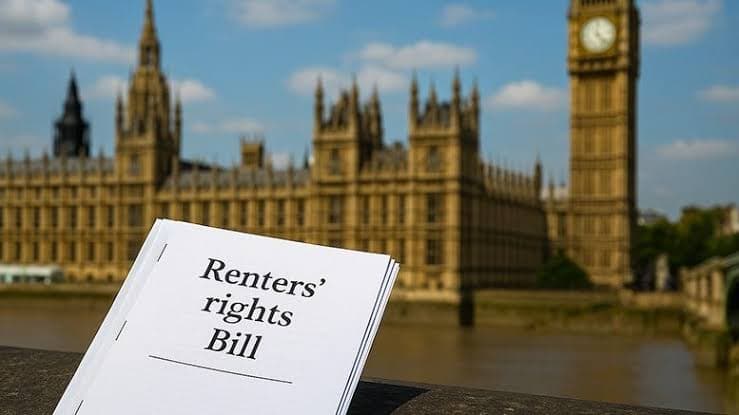
For the first time, England is getting a national register of private landlords. Licensing has always been local, patchy and inconsistent with some councils running schemes and others not, phase 2 of the Renters' Rights Act changes that. On 9 September 2026 the government finally confirmed the dates, the cost and the deadlines, so here's what it means for landlords in our part of the country.
What is it?
Officially it's the Private Rented Sector (PRS) Database, but you'll see it called the landlord register or the landlord portal. Although it is referred to as the Private Rented Sector Database in the Renters' Rights Act, the name has been changed to the "Register your rental property" service. The Independent Landlord
The aim is transparency. Tenants will be able to see whether their landlord or prospective landlord has signed up, and the service will give councils access to information to help them spot rogue landlords and take quicker action. Express and Star
Who has to register?
Every private landlord in England letting under an assured or regulated tenancy must register themselves and each property on the database. That's two separate entries: registration gives the landlord a Landlord Registration Number, and a Property Registration Number for each property.
There's one helpful concession during rollout. Landlords will initially only be required to register properties that are currently under let, or that become let during the roll-out period, so an unoccupied property doesn't need registering yet. However, the Government has confirmed that under future legislation, landlords will also need to register unoccupied properties before they or their agent market them for let.
How much does it cost?
Registration costs £65 per property per year, and each property registration must be renewed annually, so four registered properties would cost £260 a year at the current published fee. For a portfolio landlord, that's an ongoing cost worth building into your yield calculations now.
When do I need to register?
The rollout runs region by region. Registration opens on 15 December 2026 in the West Midlands and rolls out one region a month, with every region carrying a three-month window to comply.
For landlords in the North, the dates that matter are:
Yorkshire and Humber: registration opens 15 April 2027, deadline 14 July 2027. North West: registration opens 15 May 2027, deadline 14 August 2027. North East: registration opens 15 June 2027, deadline 14 September 2027.
Two things to note. Registration deadlines are based on your property's location, so if you live in London but your rental property is in Birmingham, you'll need to meet the West Midlands deadline. And you don't have to wait for your region: landlords with properties across several regions can register them together from 15 December 2026.
What happens if I don't register?
This is where it gets serious. Councils will be able to issue a civil penalty of up to £7,000 for a single breach, and the NRLA notes that penalties can include fines of up to £40,000, rent repayment orders, or being barred from gaining possession of the property.
That last point is the one landlords should pay most attention to. A landlord in breach of the duty to register cannot obtain a possession order except on the anti-social behaviour grounds. With Section 21 now gone and every possession claim relying on a ground, an unregistered property could leave you unable to recover it when you need to.
What's still to come?
The register is being introduced in stages. The rules that stop a property being marketed or advertised without registration numbers will come later, under further legislation, once the regional roll-out is complete. In practice, that means registration will eventually become a condition of even advertising a property, so getting set up early avoids problems down the line.
How to prepare now
Even though Yorkshire's window doesn't open until April 2027, the groundwork can start today. Check that your gas safety certificates, EICRs and EPCs are all current, and book renewals for anything close to expiring. Engineer availability tends to tighten as deadlines approach, and nobody wants to be chasing an electrician in the last week of a registration window. Pull together your property records and tenancy details so registration is a quick job rather than a scramble.
How The Lettings Club can help
The Lettings Club are already mapping out a plan for our existing landlords in assisting them with the required registration and we'll be providing further updates over the coming months as the governments plans are revealed.
If you're unsure where you stand, or you'd rather hand the admin over entirely, get in touch with the team today via WhatsApp on +44 330 133 4919 .
This article is for general information and reflects the position as of September 2026. It isn't legal advice; details of the registration process are still being published, so check GOV.UK for the latest guidance.
Share this article
More Articles



Sign up for our newsletter
Subscribe to receive the latest property market information to your inbox, full of market knowledge and tips for your home.
You may unsubscribe at any time. See our Privacy Policy.