UK Budget 2025: Landlords Face Rising Tax Burden
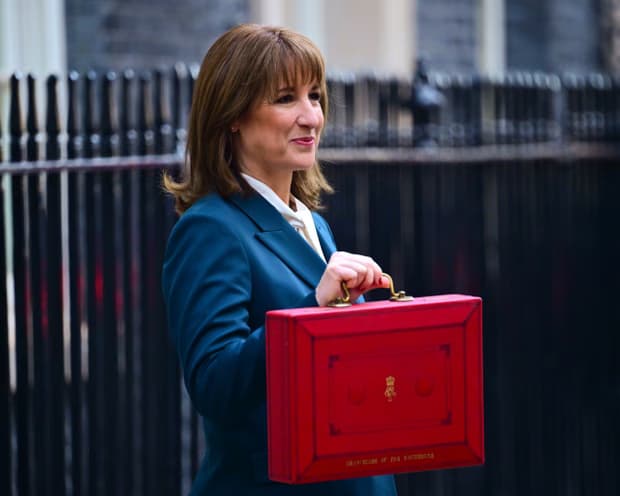
The UK 2025 Budget, announced by Chancellor Rachel Reeves, introduced a number of key measures aimed at increasing the tax take from wealth and assets, a policy move that will have a significant impact on private landlords. While some anticipated changes—like extending National Insurance to rental income—were avoided, the core tax changes for property owners are set to further squeeze profit margins in the private rented sector (PRS).
Here is a summary of the most important announcements and what they mean for landlords.
The Big Hit: Property Income Tax Rises
The most significant change for landlords comes in the form of a 2 percentage point increase to the rates of Income Tax charged on property income.
| Current Rate (2025/26) | New Rate from April 2027 |
| Basic Rate (20%) | 22% |
| Higher Rate (40%) | 42% |
| Additional Rate (45%) | 47% |
-
Impact: This increase will reduce the net profit for all landlords who own properties in their personal names, especially those who are higher or additional rate taxpayers. This tax rise on rental income comes into effect from April 2027.
Dividends Tax Rises (Relevant for those holding properties in LTD companies)
The Chancellor confirmed that the basic and higher rates of dividend tax will rise by two percentage points from April 2026. This affects millions of limited company owners who receive dividends as part of their income, as well as investors who rely on dividend-paying shares and funds.
| Current Rate (2025/26) | New Rate from April 2026 |
| Basic Rate (8.75%) | 10.75% |
| Higher Rate (33.75%) | 35.75% |
| Additional Rate (39.35%) | 39.35% (No change) |
Impact: This change will increase the tax many landlords pay on dividend income when drawing down from an SPV LTD company that holds properties.
Finance Cost Relief Aligns with New Basic Rate
The way landlords can claim tax relief on finance costs (like mortgage interest) is also affected. Currently, this relief is given as a tax credit equivalent to the basic rate of Income Tax (20%).
-
The Change: From April 2027, the relief for residential finance costs will be calculated at the new property basic rate of 22%.
-
Impact: For basic rate taxpayers, this is a minor positive adjustment. However, higher and additional rate taxpayers will still see their overall tax bill rise significantly due to the increase in the headline property income tax rate, as they are unable to fully offset their finance costs against their rental income.
No New National Insurance, But the Rationale Remains
There was much speculation that the Chancellor would extend National Insurance Contributions (NICs) to rental income. This did not happen.
-
Context: The Chancellor justified the property income tax rise by stating that it is unfair that an employed person and a landlord with the same gross income pay different amounts of tax because NICs are not charged on property, savings, or dividend income. The 2% hike is designed to help close this perceived gap.
Making Tax Digital (MTD) Rollout Confirmed
For landlords operating as sole traders with a turnover above a certain threshold, a major operational change is coming.
-
The Change: From April 2026, sole traders and landlords with a turnover above £50,000 will be mandated to:
-
Keep digital records of income and expenses.
-
Send quarterly updates to HMRC.
-
-
Impact: This requires a significant shift in record-keeping practices and may require investment in new software or accountancy services for those who haven't already digitised their records.
What Didn't Change?
-
Stamp Duty Land Tax (SDLT): No changes were announced for SDLT rates or thresholds.
-
Capital Gains Tax (CGT): The rates for CGT remain unchanged in this Budget.
📉 Sector Reaction: Reduction in Supply Anticipated
Industry experts and the Office for Budget Responsibility (OBR) have warned that these successive erosions of landlord returns—following previous changes like the restriction of mortgage interest relief—will likely reduce the supply of rental property over the longer run.
The consensus is that some landlords may be forced to:
-
Increase Rents: To offset the higher tax liability.
-
Exit the Market: Especially those with smaller portfolios or high mortgage costs, leading to fewer homes being available for tenants.
This Budget confirms the government's direction of travel: increasing the tax burden on private landlords, which many fear will ultimately destabilise the rental market and place further upward pressure on rents.
If you're not prepared for these changes, you should act now to get ahead. Contact The Lettings Club today for a free 1-2-1 discussion surrounding the changes.
Share this article
More Articles



Sign up for our newsletter
Subscribe to receive the latest property market information to your inbox, full of market knowledge and tips for your home.
You may unsubscribe at any time. See our Privacy Policy.